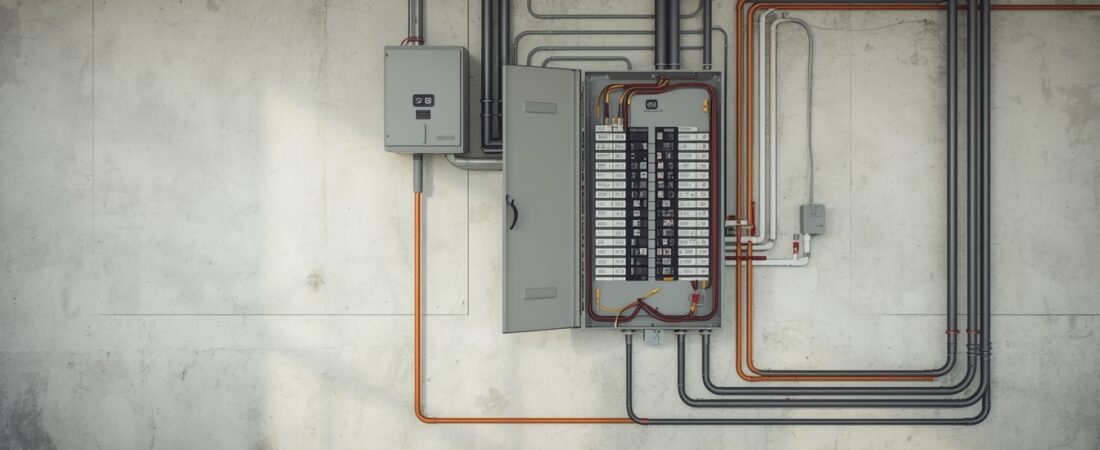
A residential outage may seem simple from the outside because the visible result is just that the lights go out. In reality, the electrical path to a home includes many components, and an interruption can happen at several points along that path. Knowing the common causes helps households understand why outages occur and why restoration time can vary.
The grid includes many linked components
Electricity is generated, transmitted over long distances, transformed to lower voltages, and distributed through neighborhood lines before it reaches a home. A fault in any of those stages can interrupt service.
- generation facilities
- transmission lines
- substations
- distribution lines
- local transformers
The larger and more complex the network, the more potential points of failure exist.
Weather is a frequent cause
Storms, high winds, ice, lightning, and flooding often damage exposed infrastructure or force protective shutdowns. In many regions, weather is the outage cause people encounter most often.
Damage may affect one street or an entire service area depending on where it occurs.
Severe weather is one of the most common contributors to outages in residential areas, which is explored further in How Weather Events Affect Power Reliability.
Equipment can fail without any storm
Transformers, switches, protective devices, and other components operate continuously. Over time, wear, faults, or aging equipment can interrupt the normal flow of electricity.
- transformer failure
- damaged distribution equipment
- malfunctioning protective devices
- aging components reaching end of life
Utilities maintain these systems, but occasional failures still happen.
Accidental damage also matters
Vehicles striking poles, construction work contacting underground lines, tree branches falling, and even wildlife interference can all create localized outages.
These events are unpredictable, but they are common enough that many households experience at least one outage caused by them over time.
Protective shutdowns are part of normal grid behavior
Electrical systems are designed to disconnect power when unsafe conditions appear. That means some outages are deliberate protective responses rather than a direct result of permanent damage.
Understanding that helps explain why utilities sometimes restore service quickly once a fault is isolated and corrected.
Conclusion
Residential outages happen for many reasons, including weather, equipment failure, accidents, and protective shutdowns. For homes using medical equipment, understanding those causes helps put outage planning on a more realistic footing.