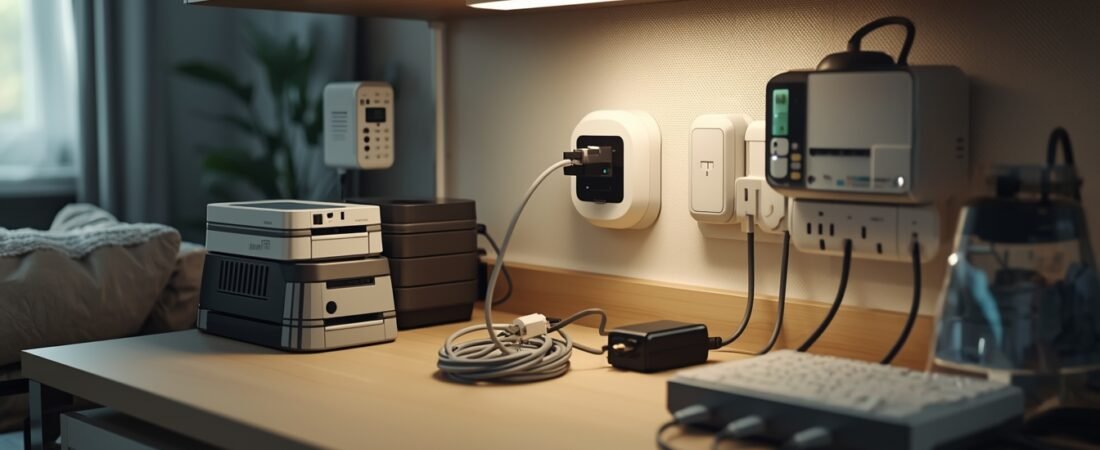
Most household outlets share circuits with other outlets and appliances. In many homes that arrangement works perfectly well, but when medical equipment is involved, some people wonder whether a dedicated circuit would provide more dependable support. The answer depends on the device, the home’s wiring, and the loads already sharing that circuit.
A dedicated circuit serves one load or one outlet location
A dedicated circuit is intended for a single appliance or a clearly defined load rather than many general-purpose outlets. It reduces competition between devices drawing power from the same breaker.
- fewer shared loads
- lower chance of nuisance breaker trips from unrelated equipment
- more predictable circuit use
- clearer electrical path for important equipment
That can be useful in certain medical setups, especially where the equipment runs for long periods.
Shared circuits can become crowded
If a medical device shares a circuit with large or frequently used appliances, the combined demand may occasionally push the circuit closer to its limits. That can increase the chance of breaker trips or voltage disturbances on that branch.
The device itself may not use much power, but the other loads on the same circuit still matter.
Not every medical device needs a dedicated circuit
A dedicated circuit is not automatically necessary just because a device is medical. The real question is whether the load pattern, sensitivity of the equipment, and existing wiring arrangement make shared use less desirable.
- continuous operation
- sensitivity to interruptions
- existing circuit load
- location of the device in the home
That is a practical evaluation rather than a blanket rule.
Panel capacity and layout influence the answer
If the home’s panel has limited space or already carries heavy loads on nearby circuits, adding a dedicated circuit may require a broader electrical review.
More on the panel side of the question appears in https://medicalpowerreliability.com/electrical-panel-considerations-for-medical-equipment.
Professional review helps match circuit design to real need
An electrician can assess the existing circuit, measure likely loads, and determine whether separation would improve stability or simply add complexity without much benefit.
That kind of targeted review is especially helpful when several devices or backup systems are being considered together.
Conclusion
Dedicated circuits can matter when medical equipment needs a more predictable electrical environment or when shared household loads create unnecessary risk of interruption. The value of a dedicated circuit depends on the actual home and device setup.