Latest posts
-
How Medical Devices Behave During Sudden Power Loss
When power fails suddenly, medical devices do not all react the same way. Some turn off immediately, some shift to battery support, and others require a manual restart after electricity returns. Knowing those patterns in advance helps caregivers respond more calmly when an interruption happens. Immediate shutdown is common Many devices simply turn off when
-
Power Continuity Basics for Small Care Facilities
Small care facilities often operate in a space between ordinary residential living and highly engineered healthcare environments. They may not have the infrastructure of a hospital, but they still support residents who depend on electrically powered equipment. That makes power continuity a practical operational concern rather than just a maintenance issue. Several residents may be
-
Planning Backup Power for Multiple Medical Devices
Planning for one medical device is often straightforward compared with planning for several. In many homes, a single person may rely on multiple electrically powered devices, or more than one person in the household may use medical equipment. Once several devices are in the picture, backup power planning becomes a matter of priorities, runtime, and
-
Why Professional Electrical Advice Matters for Medical Setups
Medical equipment can place unusual demands on a residential electrical system, especially when several devices are involved or when backup power is being considered. That does not mean every household needs a major redesign, but it does mean that professional electrical advice can add clarity where guesswork would create risk. Medical equipment may have specific
-
Safe Power Transfer and Isolation Principles
When a home has more than one possible power source, the way electricity changes from one source to another becomes a critical safety issue. A generator, battery system, or other backup source cannot simply be treated like an extra appliance. The system has to control where power flows and keep separate sources isolated from each
-
Grid-Tied vs Off-Grid Backup Power Considerations
Backup power can be organized in different ways, and two common concepts are grid-tied and off-grid operation. Both can support medical equipment, but they do so under different assumptions about where electricity normally comes from and how backup power takes over. Grid-tied systems use the utility as the main source A grid-tied home remains connected
-
Generator Basics for Medical Power Reliability
For households that depend on electrically powered medical equipment, a generator is one of the most familiar backup power options. It is not the only approach, but it is often the first one people think of when they want electricity to keep running during an outage. How a generator makes electricity A generator converts mechanical
-
Power Quality Problems: Surges, Brownouts, and Voltage Drops
A home can have electricity available and still have poor electrical conditions. That is the basic idea behind power quality. For medical devices and other sensitive electronics, the issue is not only whether power is on, but whether the voltage reaching the equipment remains stable and predictable. What power quality means Power quality refers to
-
Understanding Continuous vs Intermittent Medical Power Needs
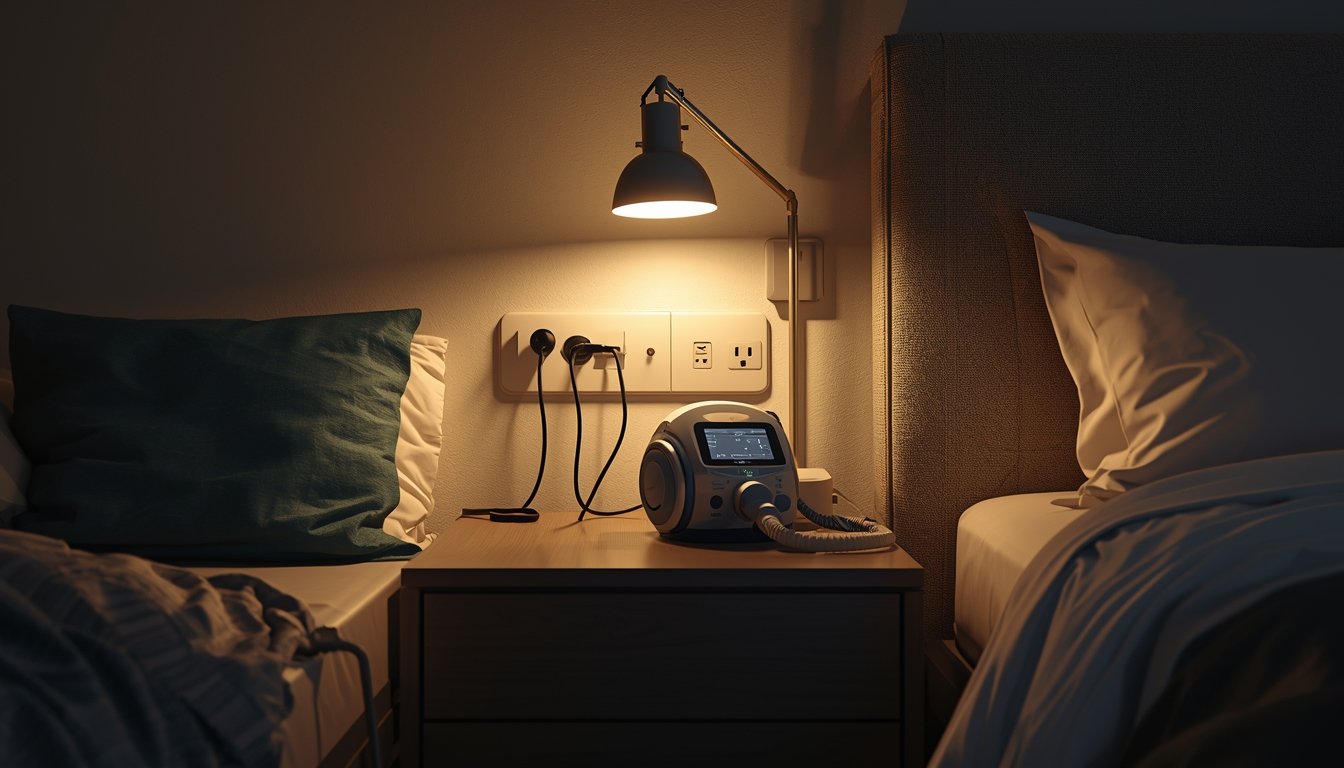
In homes where medical devices are part of daily life, not every piece of equipment depends on electricity in the same way. Some devices need power continuously for therapy or monitoring, while others are used only during scheduled sessions. Knowing the difference helps caregivers think more clearly about risk, prioritization, and backup planning. What continuous
-
Why Power Interruptions Are Risky for Home Medical Devices
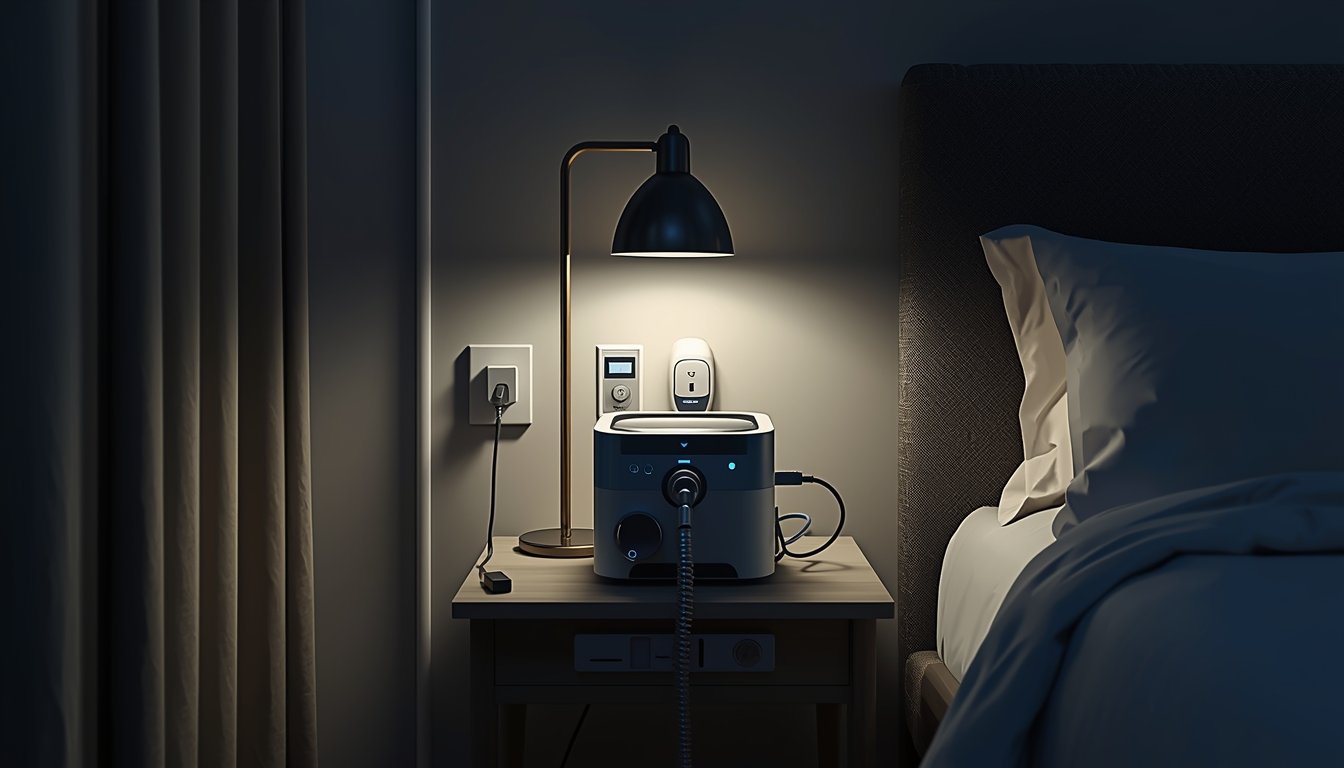
A home that uses powered medical equipment depends on more than ordinary household convenience. When electricity drops out unexpectedly, a device that normally runs quietly in the background can stop at the exact moment a patient or caregiver is relying on it. That is why even brief interruptions deserve more attention in homes and care