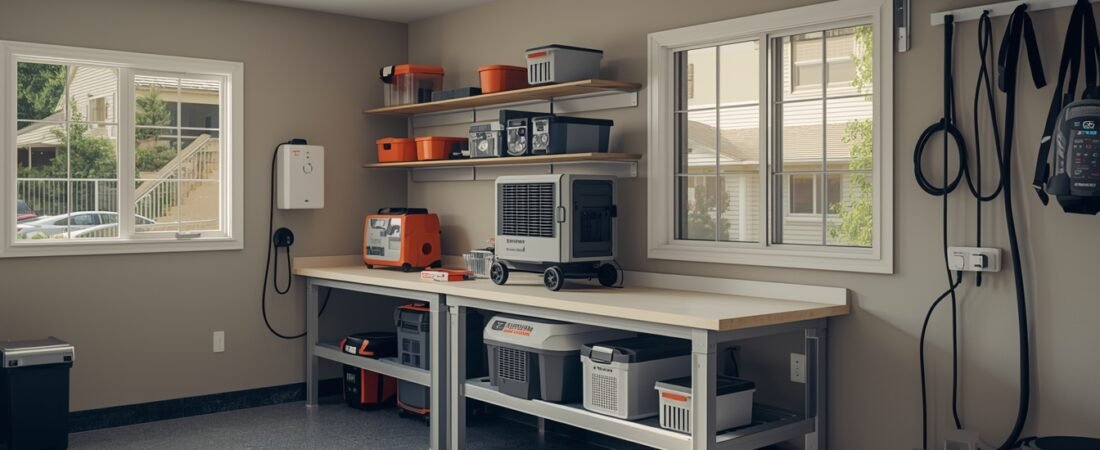
Planning for one medical device is often straightforward compared with planning for several. In many homes, a single person may rely on multiple electrically powered devices, or more than one person in the household may use medical equipment. Once several devices are in the picture, backup power planning becomes a matter of priorities, runtime, and total demand rather than a single simple decision.
Start with a complete device inventory
The first step is identifying every device that matters during an outage. That includes equipment used continuously, equipment used at scheduled times, and supporting loads that enable care routines.
- oxygen concentrators
- CPAP or BiPAP machines
- feeding pumps
- suction devices
- infusion pumps
- monitoring equipment
- medication refrigeration where relevant
A written list makes it easier to compare what is essential with what is helpful but not immediately critical.
Document how each device uses power
A useful planning sheet records wattage, voltage, daily use pattern, and whether a device includes any internal battery support. One device may draw little power but run all night, while another may draw more power only for short treatment sessions.
Those differences matter because backup systems are sized for real operating patterns, not just for the number of items in the room.
Prioritize what must stay on first
If backup power is limited, the household needs a clear order of priority. Continuous respiratory support or monitoring may sit at the top of the list, while less time-sensitive equipment may be delayed or staggered.
- devices that must never pause during active use
- devices that can tolerate brief interruption
- devices used only at certain times of day
- non-medical support loads that still matter for caregiving
Prioritization turns a large problem into a manageable one.
Combined demand can change the backup choice
Two or three modest loads may still add up to a substantial total, especially when they operate together overnight. This is why understanding power quality is also important, not just raw wattage. Related discussion appears at https://medicalpowerreliability.com/power-quality-problems-surges-brownouts-and-voltage-drops.
A system that looks large enough on paper may still need to be configured carefully if several sensitive devices are running at once.
Plans work better when reviewed with providers
Caregivers, equipment suppliers, and healthcare providers can help clarify which interruptions are acceptable and which devices require immediate continuity. That information makes the backup plan more realistic and less dependent on assumptions.
A strong plan is not only about hardware. It is about knowing what matters first and how the household will respond when power actually fails.
Conclusion
Backup power planning for multiple medical devices works best when it is organized around clear priorities, accurate device information, and realistic outage scenarios. A structured plan helps essential equipment receive attention first when power conditions change.